
How to Manage Depressive Episodes Better
Learn how to manage depressive episodes with practical steps, warning signs, daily coping tools, and clear guidance on when to get help fast.
Learn how to manage depressive episodes with practical steps, warning signs, daily coping tools, and clear guidance on when to get help fast.

Learn how to cope with depression alone using simple daily habits, safer self-care steps, and clear signs that tell you when to seek help fast.
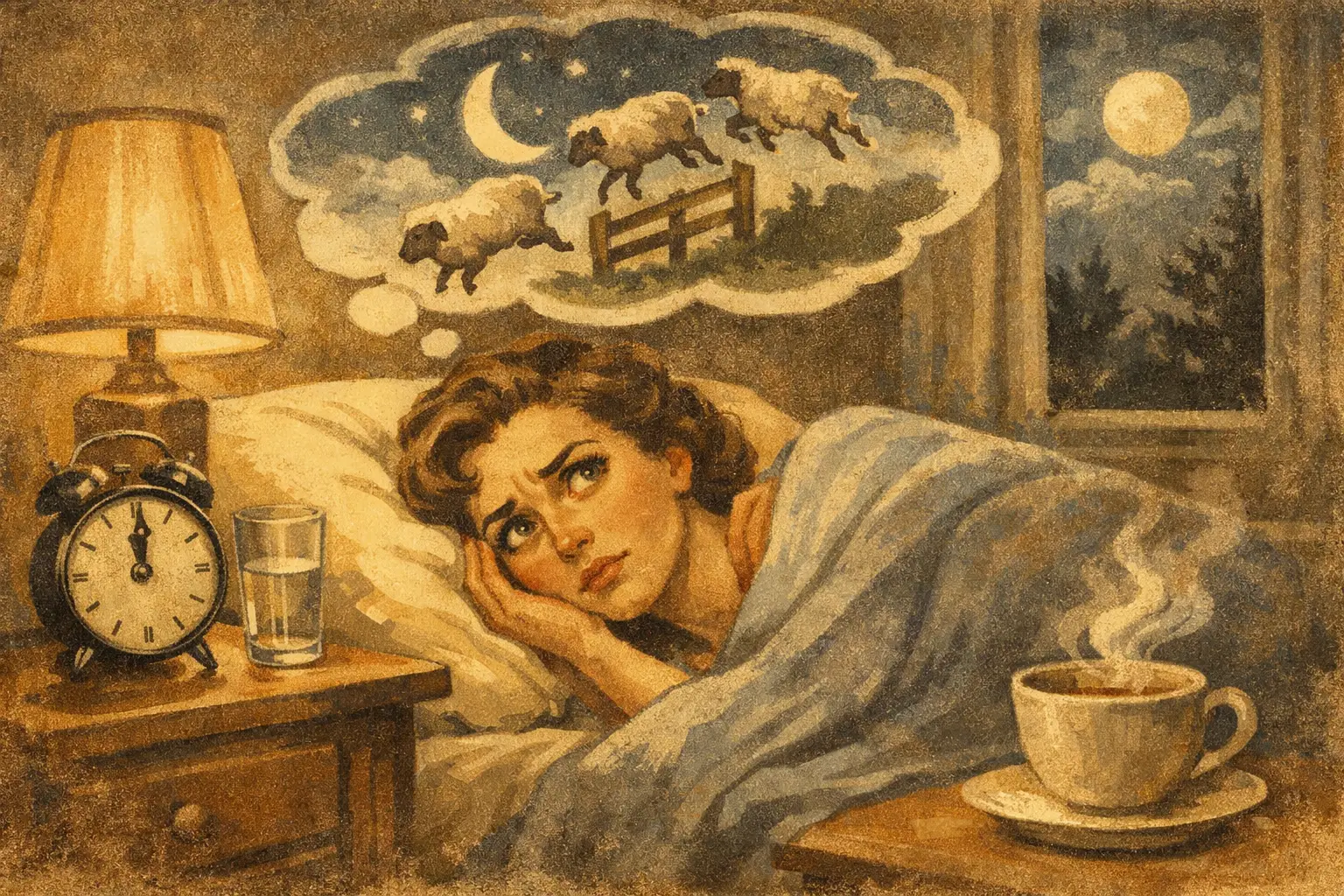
You turn off the light, put the phone down, and suddenly your brain decides it is the perfect time to review every awkward conversation, unpaid bill, and worst-case scenario. Sleep anxiety before bedtime often feels like that – your body is tired, but your mind is fully clocked in. It is frustrating, common, and very often tied to habits and stress patterns that can be changed.
This is not just about “thinking too much.” Bedtime anxiety can create a loop. You worry about not sleeping, then that worry makes it harder to sleep, which gives you one more thing to dread the next night. Once that cycle starts, even a normal bedtime can begin to feel loaded.
For some people, it shows up as racing thoughts. For others, it is more physical – a tight chest, restless legs, a fluttery stomach, or that keyed-up feeling that makes lying still feel impossible. You might notice you are checking the clock, trying to force yourself to sleep, or bargaining with the next day’s schedule.
The emotional side can be subtle too. Some people do not feel panic. They just feel resistance. They delay bedtime, scroll for another hour, snack late, or keep the TV on because quiet makes their thoughts louder. That still counts.
Sleep anxiety before bedtime can also overlap with broader anxiety, depression, stress, burnout, and poor sleep hygiene. It is not always one clean cause. In many cases, it is a stack of smaller issues that build pressure by the end of the day.
During the day, your attention is scattered across work, errands, texts, background noise, and other people. At night, those distractions fade. That silence can expose worries you managed to outrun earlier.
There is also a performance problem built into sleep. The harder you try to make sleep happen, the less natural it feels. Most things in life improve with effort. Sleep usually does not. That mismatch can make anxious sleepers feel stuck fast.
Your body can also learn bedtime as a cue for stress. If you have spent weeks tossing and turning, your brain may start associating bed with frustration instead of rest. That is one reason why people can feel tense before they even get under the covers.
A few common triggers tend to make things worse:
None of these means you caused your problem. They just help explain why your nervous system may be refusing to shift gears.
If you are in the moment and feel yourself spiraling, the goal is not to knock yourself out mentally. The goal is to reduce pressure. A calmer body gives sleep a better chance.
Start by dropping the fight. Tell yourself something simple and believable: “I do not need to force sleep right now. I just need to rest.” That sounds small, but it can take the edge off performance anxiety.
Next, get out of clock-checking mode. Watching the minutes pass usually raises stress, not control. Turn the clock away or move your phone out of reach if checking the time is part of your loop.
Then shift attention gently. Slow breathing can help, but only if it does not become another task to perform perfectly. Try inhaling for four counts and exhaling for six. Longer exhales often help the body settle. If counting makes you more tense, focus instead on the feeling of your body against the mattress or the weight of the blanket.
If you have been awake for what feels like a long time, it may help to leave the bed for a few minutes. Sit somewhere dim and boring. Read a few pages of a paper book, stretch lightly, or listen to something calm. The point is to avoid teaching your brain that bed is where you rehearse stress.
A lot of bedtime advice online is too perfect to be useful. You do not need a luxury routine. You need a repeatable one.
Start 30 to 60 minutes before bed with fewer inputs. Lower the lights. Stop work. Put some distance between yourself and anything activating, especially social feeds, news, arguments, and intense entertainment. If your nights are rough, treat the last hour before bed like a cooldown, not bonus productivity time.
It also helps to empty your mind before your head hits the pillow. Write down tomorrow’s tasks, unfinished thoughts, or specific worries. This is not journaling for depth unless that works for you. A simple brain dump is enough. Many people sleep better when they are not trying to hold tomorrow together in working memory.
Keep your routine boring on purpose. That might mean washing up, making tea without caffeine, reading a few pages, or taking a warm shower. Repetition matters more than originality. Your brain responds well to consistent cues.
If your anxiety spikes because bedtime feels too early, do not force an unrealistic target. A routine only helps if your body is actually ready to sleep. Sometimes the smarter move is setting a later, more consistent bedtime for a week, then adjusting gradually.
Nighttime tools help, but daytime habits often decide how hard bedtime will be. If you want fewer anxious nights, build pressure for sleep in the right direction.
Wake time matters more than bedtime for many people. Getting up at roughly the same time every day helps anchor your body clock, even after a rough night. Sleeping in late can feel good short term, but it may make the next night harder.
Light exposure in the morning is also underrated. Sunlight soon after waking helps regulate circadian rhythm and can improve the contrast between alertness during the day and sleepiness at night.
Movement helps too, though timing matters. Regular exercise often improves sleep quality and reduces anxiety overall. But if intense evening workouts leave you wired, move them earlier and see if that changes your nights.
Be honest about stimulants. Caffeine affects people differently. Some can drink coffee at 4 p.m. and sleep fine. Others are still feeling it at midnight. If you deal with sleep anxiety before bedtime, testing an earlier caffeine cutoff is one of the fastest changes you can make.
Sometimes the issue is not noise, screens, or caffeine. It is your internal script. People with bedtime anxiety often think in absolutes: “If I do not sleep now, tomorrow is ruined.” That thought creates real pressure, even if it feels logical.
A more useful script is flexible, not fake. Try: “I may be tired tomorrow, but I have handled tired days before.” Or: “Rest still counts, even if sleep takes time.” These thoughts are not magic, but they reduce the all-or-nothing thinking that keeps the nervous system alert.
It can also help to stop evaluating every night like a pass-fail test. Sleep naturally varies. One bad night does not always mean a bad week. The more attention you give every dip, the easier it is to turn normal fluctuations into a bigger pattern.
If bedtime anxiety is happening often, affecting work, mood, or relationships, or dragging on for weeks, it may be time to talk to a doctor or licensed mental health professional. That is especially true if you are having panic symptoms, heavy depression, trauma-related symptoms, or relying on alcohol or sleep aids in a way that feels hard to control.
Professional support can help you figure out whether this is mainly insomnia, generalized anxiety, a medication side effect, a sleep disorder, or a mix. Treatment depends on the cause. For some people, therapy focused on anxiety or insomnia is a strong fit. For others, medical evaluation matters because the problem is not only psychological.
There is no prize for white-knuckling your way through exhausted nights.
If you want the fastest starting point, keep it simple. Pick one steady wake time, one screen cutoff, one wind-down activity, and one backup plan for when you cannot sleep. That is enough to begin.
Most people do not beat sleep anxiety before bedtime by finding one perfect trick. They get there by making the night feel less threatening and the day more regulated. Progress can be uneven. Some nights will still be annoying. But if you lower the pressure and stay consistent, bedtime can start feeling ordinary again – and that is usually when sleep has room to return.
Be patient with yourself tonight. A calmer relationship with sleep often starts before better sleep does.

This guide to crypto market cycles explains each phase, what moves prices, and how to spot shifts before hype or panic takes over.

Learn how online casino payment methods compare on speed, fees, limits, and safety so you can pick the right option for deposits and cashouts.

You answer one more text, sit through one more meeting, smile one more time, and suddenly even small tasks feel heavy. That is usually how emotional burnout shows up – not as a dramatic collapse, but as a slow loss of patience, energy, and interest. If you are searching for how to manage emotional burnout, the first thing to know is that it is real, common, and easier to miss than physical exhaustion.
Emotional burnout often builds when stress stops being temporary. You keep functioning, but your inner battery never really recharges. You may feel numb, irritated, detached, or weirdly guilty for not being able to handle what used to feel normal. The good news is that burnout is manageable, but quick fixes only go so far. What helps is a practical reset that deals with your workload, your habits, and your emotional bandwidth at the same time.
Emotional burnout is more than being tired after a long week. It usually comes with mental and emotional friction that follows you into everything else. You might feel drained before your day starts, resentful about basic responsibilities, or disconnected from people you care about.
For some people, burnout looks like snapping at others, crying more easily, or wanting to be left alone. For others, it looks flatter than that. You stop caring, stop responding, and start doing the bare minimum just to get through the day. Both patterns matter.
A few common signs tend to show up together:
If this has been going on for weeks, not just a rough couple of days, it is worth taking seriously.
A lot of people respond to burnout by trying to power through it harder. They clean up their schedule, push themselves to be more disciplined, and feel worse when that fails. The better move is to reduce pressure before adding self-improvement goals.
Burnout recovery starts with honesty. Ask yourself what is costing you the most emotional energy right now. It may be work, caregiving, relationship conflict, nonstop notifications, financial stress, or some combination of all of it.
You do not need to fix your whole life in one weekend. You do need to identify what is keeping your nervous system on high alert. If one commitment is draining you far more than the rest, that is usually the first place to intervene.
This might mean taking a day off, delaying a non-urgent task, saying no to extra plans, or asking for help with something you usually carry alone. These steps can feel small, but reducing the load is not laziness. It is treatment.
Rest should not be something you earn only after total depletion. If you wait until you are emotionally fried, your breaks will feel too short and too late.
Build recovery into the middle of your day, not just the end. That may mean eating lunch without multitasking, taking a short walk without your phone, or giving yourself 15 quiet minutes between work and home responsibilities. These pauses help your brain shift gears instead of staying stuck in constant demand mode.
One reason burnout gets worse fast is that emotional fatigue and digital overload feed each other. If your brain is already strained, constant pings, doomscrolling, and being available to everyone all the time can tip you over.
Try tightening access for a few days. Silence nonessential notifications. Move the most distracting apps off your home screen. Give yourself at least one block of time each day where nobody gets an instant response. You are not disappearing. You are creating enough mental space to recover.
When people look up how to manage emotional burnout, they often expect a mindset trick. Sometimes the first wins are less glamorous. If your body is under-fueled, underslept, and overstimulated, emotional regulation gets much harder.
Burnout and poor sleep can trap you in a loop. Stress makes sleep worse, and poor sleep makes stress harder to handle. Focus on consistency more than perfection. Go to bed and wake up around the same time when you can. Cut late-night scrolling. Keep your room cool and dark. If your mind races, write tomorrow’s tasks down before bed so your brain is not trying to hold them all overnight.
If sleep problems are severe or ongoing, it may be time to speak with a doctor or therapist. Burnout can overlap with anxiety and depression, and the solution may need more support than habit changes alone.
When you are emotionally drained, meals often become random, rushed, or skipped. That makes energy swings sharper and irritability worse. Aim for simple, steady meals instead of trying to eat perfectly. Protein, fiber, water, and regular timing help more than extreme health kicks.
Think maintenance, not optimization. The goal is to make your body easier to live in while your stress level comes down.
Exercise does not need to be intense to help. In burnout, the best movement is often the kind you can actually repeat. A walk, stretching, light strength work, or anything that gets you out of one position and into your body can lower tension and improve your mood.
If hard workouts usually help you, great. If they feel impossible right now, forcing them can backfire. This is one of those it depends situations. Pick movement that supports recovery, not movement that gives you one more thing to fail at.
Emotional burnout is not just about doing too much. It is often about absorbing too much. Other people’s needs, moods, crises, and expectations can pile up until you feel like there is no room left for your own internal life.
Try replacing vague statements like I am just tired with something more accurate. Maybe you are resentful, overstimulated, lonely, pressured, or disappointed. Specific language helps because it points to specific action.
If you are resentful, a boundary may be missing. If you are lonely, more isolation will not solve it. If you are overstimulated, you may need less input, not more advice. Clarity reduces the guesswork.
People often think boundaries need to be dramatic. Usually they work best when they are plain and immediate. You might stop answering work messages after a certain hour. You might shorten a draining weekly commitment. You might tell a friend you care about them but cannot be their on-call crisis line every night.
Expect some discomfort. Boundaries can feel rude when you are used to overextending. They are still necessary. If your current pattern is burning you out, keeping everyone else comfortable cannot stay the top priority.
There is a point where burnout moves beyond what better routines can handle. If you are crying often, feeling hopeless, struggling to function, using substances to cope, or having thoughts of self-harm, get professional help as soon as possible. That is not overreacting. It is a smart next step.
Even when things are less severe, therapy can help you figure out why burnout keeps repeating. Sometimes the issue is workload. Sometimes it is people-pleasing, unresolved stress, perfectionism, grief, or an environment that asks too much for too long. You can do a lot on your own, but outside support can shorten the path.
It also helps to tell one trusted person what is going on. Not everyone needs the full story, but somebody should know you are struggling. Burnout grows in silence because silence lets you keep pretending you are fine.
The real goal is not just to recover once. It is to notice your patterns early enough to respond before you hit empty again.
Pay attention to the warning signs that show up before full burnout. Maybe you stop enjoying downtime and start dreading messages. Maybe your patience gets shorter, or you start canceling on people because everything feels like too much. Those signs are useful data.
Create a personal rule for what happens when they appear. That might be reducing nonessential plans for a week, scheduling a therapy session, asking for help at work, or taking a full day offline. The exact plan matters less than having one ready.
You do not need a perfect life to feel better. You need enough recovery, enough honesty, and enough limits to stop running on emotional fumes. Progress can be uneven. Some weeks will feel lighter, then stress will spike again. That does not mean you failed. It means burnout management is ongoing, and that is normal.
If you are worn down right now, aim smaller than your guilt tells you to. Cancel one thing. Delay one demand. Ask for one kind of support. Emotional burnout rarely lifts because you force yourself harder. It starts to ease when you finally stop treating your exhaustion like a character flaw.

Learn bitcoin vs ethereum differences, from supply and fees to smart contracts, security, and use cases, so you can choose with confidence.

Looking for the best beginner friendly cryptocurrencies? Here are 8 coins that are easier to understand, buy, and track for new crypto investors.

A lot of people are asking the same thing after the last few market swings: is crypto still worth buying, or did the easy money already come and go? That is the right question to ask, especially now that crypto feels less like a novelty and more like a high-risk part of the broader financial system.
The short answer is yes, crypto can still be worth buying – but not for everyone, not at every price, and definitely not with the same mindset people had during peak hype cycles. If you are expecting quick gains just because a coin is trending, you are late to the party. If you are looking at crypto as a speculative asset with real upside and very real downside, the case is more reasonable.
For new investors, crypto can make sense if it is treated as a small, intentional part of a bigger financial plan. That means you are not using rent money, emergency savings, or cash you may need next month. It also means you understand that a 20 percent drop in a week is not some weird black swan event. In crypto, that can be a normal Tuesday.
What has changed is the level of maturity in the market. A few years ago, many people were buying tokens with no real use case and no clear reason beyond social media hype. Today, there is still plenty of noise, but there is also more infrastructure, more institutional attention, and more public understanding of what crypto is and is not.
That does not make it safe. It makes it easier to evaluate.
For most casual buyers, the smartest entry point is not chasing obscure altcoins. It is focusing on a small number of better-known assets, understanding why they exist, and deciding how much volatility you can handle before you buy. If you cannot explain what you own in one or two simple sentences, you probably should not own it.
There are a few solid reasons people still buy crypto even after big crashes.
First, there is still upside. Crypto remains one of the few asset classes where retail investors can still find meaningful growth potential, especially compared with slower-moving traditional investments. That upside comes with heavy risk, but it is real.
Second, Bitcoin and a handful of major cryptocurrencies have survived multiple boom-and-bust cycles. That does not guarantee future returns, but it does separate them from the endless pile of short-lived coins that disappeared after one run.
Third, the use case has improved in some areas. Stablecoins, decentralized finance, blockchain-based payments, and tokenized assets all pushed crypto beyond pure speculation. You do not need to believe every blockchain startup will change the world to recognize that parts of the sector now have practical relevance.
There is also the portfolio argument. Some investors buy crypto not because they think it will replace traditional finance, but because they want a small amount of exposure to an asset that behaves differently from stocks or bonds. That logic is not crazy. It just works best when the position size stays modest.
The bearish case is not hard to understand.
Crypto is still highly volatile, emotionally driven, and full of low-quality projects. Regulation remains uneven. Scams have not gone away. Exchanges can fail. Tokens can crash 80 percent and never recover. Even strong assets can spend years below previous highs.
There is also a practical issue that gets ignored when markets run hot: most people are not built for crypto volatility. They say they are fine with risk, then panic-sell after a steep drop or buy aggressively after a giant run-up. That pattern destroys returns.
Another problem is that crypto no longer has the same novelty advantage it once did. Early buyers were betting on a new frontier. Today, the market is more widely known, more widely traded, and in many ways less inefficient. That can be good for stability over time, but it may reduce the odds of life-changing gains from mainstream assets.
So if your question is really, Can I still turn a small amount into a fortune fast, the honest answer is that this is a much harder game now.
The better question is not whether crypto is good or bad. It is what conditions make buying it reasonable.
Crypto may be worth buying if you have a strong financial base, a long time horizon, and a clear understanding that this is a speculative investment. It may also make sense if you believe in the long-term role of blockchain-based assets and want measured exposure rather than total commitment.
It is probably not worth buying if you are trying to recover losses, chasing a social media trend, or hoping one lucky pick solves your money problems. Crypto is especially dangerous when it becomes emotional.
A simple filter helps. Before buying, ask yourself three things: do I understand the asset, can I afford to hold it through a major drop, and would I still buy it if no one online was talking about it this week? If the answer is no to any of those, slow down.
This is where nuance matters.
Stocks are generally easier to value because they are tied to businesses, revenue, and earnings. Crypto often trades more on adoption, scarcity, utility, sentiment, and macro conditions. That makes comparison tricky. In pure risk-adjusted terms, many investors will be better off building a core portfolio around index funds and using crypto only as a side position.
But that does not mean crypto has no place. It means crypto works better as a complement than a replacement.
If you have no retirement investing, no savings cushion, and no diversified base, buying crypto first is usually backwards. If those basics are already in place, adding a small crypto allocation can be a rational move. The key is proportion. For most people, that means a slice of the portfolio, not the whole thing.
If you decide crypto is still worth buying for your situation, your process matters almost as much as the asset itself.
Start with position sizing. Small enough that a deep drawdown will not wreck your finances or your sleep. That removes a lot of bad decisions before they happen.
Use dollar-cost averaging if you are unsure about timing. It is not glamorous, but it helps reduce the pressure of trying to perfectly call tops and bottoms. Most casual investors are not good market timers, and crypto punishes overconfidence fast.
Stick to assets you can explain. Bitcoin and Ethereum tend to be the first stop for a reason. They are not guaranteed winners, but they are easier to research than the latest micro-cap token being pushed in comment sections.
Pay attention to where you buy and store your assets. Security is not optional in crypto. A bad platform choice, weak password habits, or sloppy wallet management can hurt you just as much as a bad investment call.
Most important, decide your exit rules before emotions take over. Are you buying for five years? Taking profits at certain levels? Rebalancing once crypto becomes too large a share of your portfolio? If you wait until the market is euphoric or collapsing, you will probably make a worse decision.
Crypto is still worth buying for some people, but the reason has changed. It is less about easy wins and more about selective exposure to a volatile, still-evolving asset class. That can be smart if you are disciplined. It can be expensive if you are impulsive.
The people most likely to benefit now are not the ones chasing every headline. They are the ones who keep expectations realistic, focus on quality over hype, and treat crypto as one piece of a broader strategy. That may not sound exciting, but it is usually how better decisions look in real life.
If you are curious but cautious, that is not a weakness. In crypto, it is often the trait that saves you money.

What causes emotional numbness? Learn the most common triggers, from trauma and stress to depression, burnout, and medication effects.