7 Best Live Casino Game Shows to Try
Looking for the best live casino game shows? Here are 7 standout picks, what makes each fun, and how to choose one that fits your style.
Looking for the best live casino game shows? Here are 7 standout picks, what makes each fun, and how to choose one that fits your style.
Learn a roulette strategy for beginners that keeps the game simple, manages risk, and helps you avoid common betting mistakes at the table.
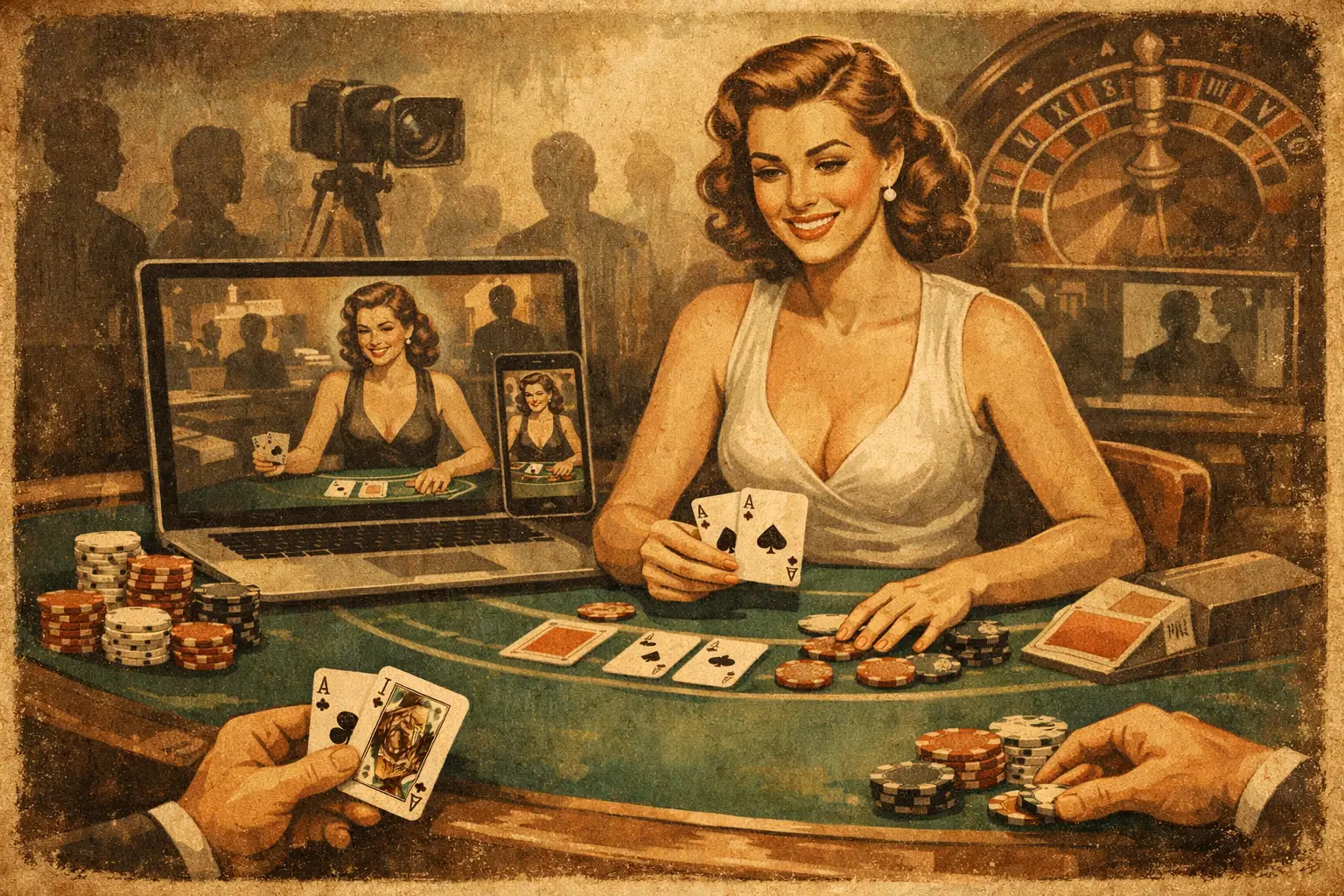
A live blackjack table can look great on the homepage and still be a bad place to play. The camera feed might be sharp, but the limits could be awkward, the rule set could be weak, or the table speed might feel painfully slow. That is why finding the best live dealer blackjack sites is less about flashy branding and more about how the whole experience holds up once you sit down and start betting.
For most US players, the right site comes down to a handful of practical factors. You want reliable software, fair blackjack rules, sensible table limits, fast cashier options, and enough variety that you are not stuck at one crowded table all night. If a site misses on two or three of those, it usually stops feeling fun pretty quickly.
The biggest difference between a decent site and a strong one is consistency. Good live dealer blackjack sites do not just offer one or two tables with a real person on camera. They give you a stable stream, responsive controls, and enough table choice to match your budget and playing style.
Blackjack rules matter just as much as presentation. A polished studio does not fix a game with poor payout terms or too many player restrictions. Before you sign up anywhere, check whether blackjack pays 3:2 or 6:5, whether the dealer hits or stands on soft 17, and whether options like double down and split are available in the usual spots. Small rule changes affect value more than many casual players realize.
Game providers also shape the experience. Sites powered by top-tier live casino studios tend to have better video quality, more professional dealers, and a wider menu of blackjack variants. That can include common formats like Infinite Blackjack, VIP tables, speed blackjack, and classic one-seat or multi-seat games. More options are not always better, but they help if you know exactly what kind of table pace you enjoy.
If you are comparing platforms, these are the things worth your attention first.
A site can market itself aggressively and still offer weak tables. Start with the actual game terms. A 3:2 payout on natural blackjack is usually better than 6:5, and rules around splitting and doubling can noticeably change how playable a table feels.
Live dealer blackjack falls apart fast when the stream lags or freezes. The best sites keep the video stable on desktop and mobile, with clear card display and fast interface response.
Some sites list live blackjack as a category but only offer a couple of tables. Better platforms have low-stakes games for casual players, mid-range tables for regulars, and higher-limit options for players who want more action.
A lot of players use phones more than laptops now, so mobile quality is not a bonus feature. It is basic functionality. If a site forces constant zooming, delays bet placement, or clutters the screen, it is hard to recommend.
You should be able to deposit and withdraw without turning the process into a project. Fast processing, clear minimums, and familiar payment methods matter more than oversized promo banners.
Blackjack is not always the best fit for every casino bonus because some offers exclude table games or count them differently. A good site is upfront about that. If the terms are fuzzy, assume the promo is less generous than it looks.
This is the non-negotiable part. A site should be properly licensed, transparent about rules, and broadly trusted by players. If you cannot verify those basics, move on.
Most players do not want to spend an hour reading fine print before trying a table. Fair enough. There is a quicker way to spot whether a site is likely worth your time.
First, open the live casino lobby and see how many blackjack tables are actually available right now. If the selection is thin during peak hours, that tells you something. Next, open a few tables and compare betting limits, game speed, and interface clarity. If every table feels cramped or confusing, the site probably cut corners.
After that, look at the cashier and the bonus terms. This is where many weak platforms expose themselves. Delayed withdrawals, unclear verification rules, and promotions with heavy restrictions often create more frustration than value.
There is no single perfect platform for everyone. What works best depends on how you play.
Low minimum bets, simple interfaces, and standard blackjack tables matter most here. Casual players usually benefit from sites with a clean layout and enough table choice to avoid long waits without getting overwhelmed.
This group needs to read terms carefully. Some sites promote large welcome packages, but blackjack contribution can be limited. The better option is often a smaller, more transparent offer that clearly includes live casino play.
Look for fast loading times, easy bet controls, and vertical or well-optimized landscape viewing. A site that feels smooth on mobile tends to hold up better overall.
Rule quality, dealer pace, and table variety become more important than flashy design. More experienced players may also prefer sites with VIP or high-limit tables, side bet variety, and multiple live casino providers.
Some problems are minor. Others are signs that you should not deposit at all.
If a site hides payout details, buries its licensing information, or makes withdrawal terms hard to find, that is a bad sign. The same goes for lobbies packed with live games that are constantly unavailable, frozen streams, or support that only responds with scripted replies.
Another issue is overcrowding. Live blackjack depends on flow. If every decent table is full or waitlisted, the site may simply not have enough capacity for its player base. That does not always mean it is unsafe, but it does mean the experience may be weaker than advertised.
Not entirely, but it is a smart starting point.
Well-known live casino providers tend to offer stronger production quality, better dealer training, and more polished interfaces. That said, the same provider can feel different from one site to another depending on table access, promotions, banking support, and mobile optimization. In other words, the software matters, but the casino still controls a lot of your overall experience.
This is also where personal preference comes in. Some players like the energy of a busy studio table with constant chat and fast dealing. Others want a calmer setup that feels closer to a real casino floor. Neither is automatically better. It depends on what keeps you comfortable and focused.
Once you join a site, do not rush straight into the busiest table with the biggest branding. Start with a lower-stakes blackjack table and watch a few hands first. Check how quickly bets are accepted, how clearly the cards appear on screen, and whether the interface gives you enough time to act.
Then look at the table rules again. This step gets skipped a lot, especially by newer players. A familiar blackjack layout can still carry different rules from the next table over. Spending one extra minute here can save you from sitting at a game you would not have chosen knowingly.
If you like side bets, be careful with them. They can make the game more entertaining, but they generally add volatility and can drain a bankroll faster. For many players, classic blackjack play is still the better long-session option.
The best live dealer blackjack sites are not just the ones with the loudest promotions or the most dramatic studio setups. They are the ones that make it easy to find fair tables, move money without hassle, and enjoy a stable game whether you are playing for fifteen minutes or a full evening.
That is the standard worth using. If a site gives you clear rules, smooth gameplay, practical payment options, and enough table choice to match your budget, you are probably looking at a platform worth keeping. If not, there are plenty of others, and picking carefully at the start usually saves money and aggravation later.
Find the highest RTP casino games, how RTP works, and which slots, video poker, and table games give players the best long-term value.
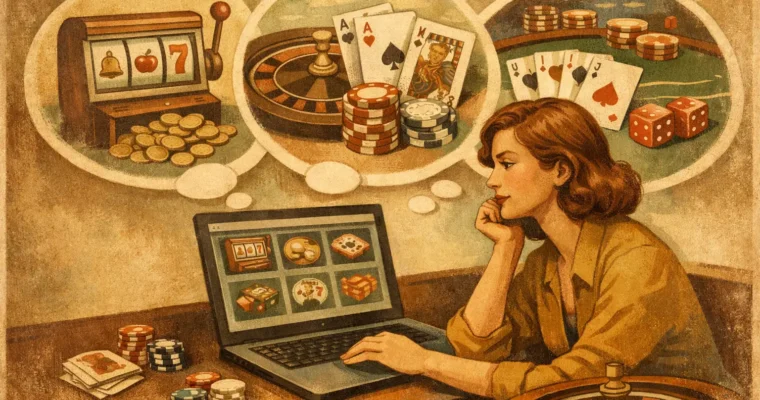
Learn how to choose online casino games based on skill, odds, volatility, and budget so you can play smarter and find games you enjoy.


Feeling depressed is hard. Feeling depressed and alone can feel unbearable. When loneliness wraps around your thoughts, it can convince you that no one cares, no one understands, and nothing will ever change. Even when people are technically around, depression can create a deep sense of isolation—like you’re separated from the world by an invisible wall.
If you’re reading this, know this first: you are not weak, broken, or failing. Depression can distort perception, drain energy, and make reaching out feel impossible. Coping doesn’t mean suddenly feeling happy or “fixing” everything—it means taking small, compassionate steps to survive this moment and slowly rebuild connection, including with yourself.
This article offers gentle, practical ways to cope with depression when you feel completely alone, while reminding you that help—real help—is available, even if it doesn’t feel that way right now.
Depression often lies. It tells you that you’re unlovable, forgotten, or invisible. These thoughts can feel incredibly real, but they are symptoms of the illness, not facts.
When depression says:
…it’s speaking from pain, not reality. Recognizing this doesn’t make the feelings disappear, but it can help you take those thoughts less literally. You don’t have to argue with them—just notice them.
Try saying: “This is depression talking. I don’t have to believe it.”
When you feel completely alone, even basic tasks can feel overwhelming. Depression often adds guilt on top of exhaustion, making you feel bad for not “doing more.”
Here’s the truth:
Getting through the day is enough.
Some days, coping looks like:
These are not small wins—they are real acts of strength. Let go of unrealistic expectations. You don’t need to be productive to be worthy.
Loneliness and depression thrive in unstructured time. Days can blur together, making everything feel heavier. Creating a soft routine can provide stability without pressure.
Start small:
Structure doesn’t mean strict schedules—it means giving your day anchors, something to hold onto when motivation is gone.
When you feel alone, the idea of talking can feel exhausting or scary. Connection doesn’t always require deep conversations or explanations.
Low-pressure ways to feel less alone include:
These forms of connection still count. They remind your nervous system that other humans exist, and that you’re part of the world, even quietly.
Depression often turns your inner voice into a harsh critic. You might think you deserve the pain or that you’re failing at life. This self-judgment deepens isolation.
Try practicing self-compassion, even if it feels fake at first:
Self-compassion doesn’t cure depression—but it softens the edges, making survival more manageable.
When loneliness feels overwhelming, emotions often get stuck inside. Writing can be a powerful release—no grammar, no rules, no audience.
You can write about:
This isn’t about positivity. It’s about letting the feelings exist outside your head, even briefly.
Reaching out when you feel alone is one of the hardest things to do. You don’t have to share everything. You don’t have to explain perfectly.
You can start with:
If reaching out to someone you know feels impossible, consider reaching out to anonymous support services. Trained listeners are there to help, without judgment or pressure.
If you’re in immediate danger or feeling overwhelmed by thoughts of self-harm, please contact your local emergency number right away.
You can also reach the Suicide & Crisis Lifeline (U.S. & Canada): 988
UK & ROI: Samaritans at 116 123
Australia: Lifeline at 13 11 14
Or find local resources at findahelpline.com
You deserve support—even if your mind tells you otherwise.
Therapists, counselors, and doctors exist for moments exactly like this. Seeking professional help doesn’t mean you’ve failed—it means you’re choosing to care for yourself.
Professional support can help you:
If one provider doesn’t feel right, it’s okay to try another. You are allowed to advocate for yourself.
Depression has a way of making pain feel endless. But emotions, even the most intense ones, do change—sometimes slowly, sometimes unexpectedly.
You don’t need to believe things will get better. You just need to stay long enough for them to be able to change.
Hope doesn’t have to be loud. Sometimes it’s just choosing to stay.
Coping with depression when you feel completely alone is one of the hardest emotional experiences a person can face. The loneliness can feel crushing, and the silence can make the pain louder. But your feelings are valid, your struggle is real, and your life has value—even when it doesn’t feel like it does.
You don’t have to fix everything today. You don’t have to be strong all the time. Taking one small step—breathing, resting, reaching out, or simply staying—matters more than you know.
You are not invisible. You are not beyond help. And even in this moment of deep loneliness, you are not truly alone.
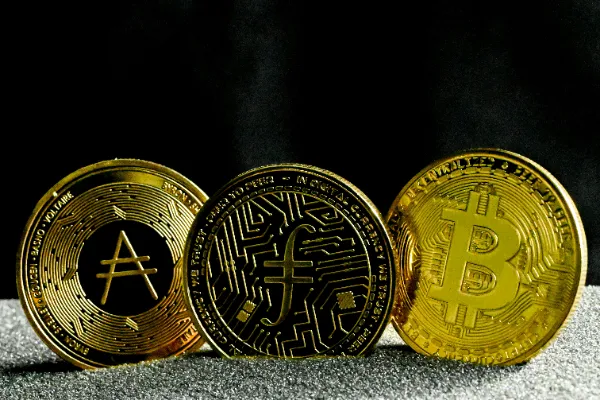
Introduction The cryptocurrency market never sleeps. Prices move fast, trends shift quickly, and new projects emerge almost daily. While Bitcoin and Ethereum still dominate headlines, the broader crypto ecosystem has matured into a complex landscape filled with innovation, competition, and opportunity. For investors, traders, and …
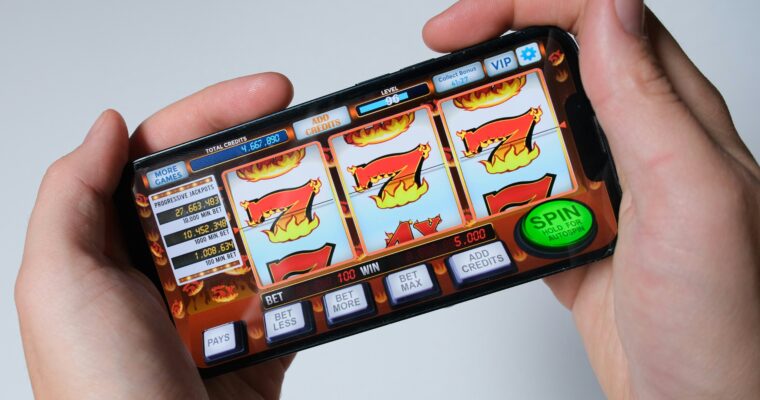
Introduction Online casinos continue to evolve at an incredible pace, offering players more variety, better graphics, and more engaging gameplay than ever before. What once started with basic digital slots has grown into a full entertainment ecosystem featuring live dealers, game-show casinos, crypto betting, and …
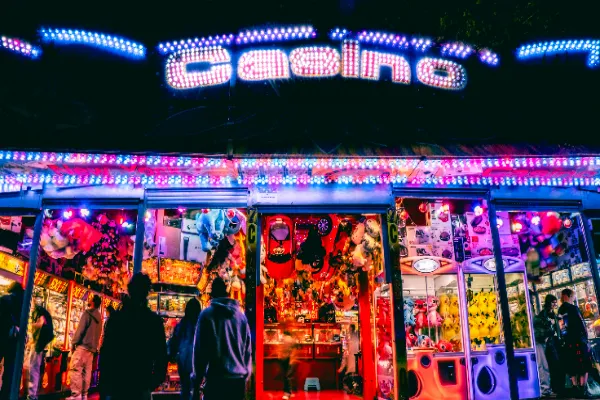
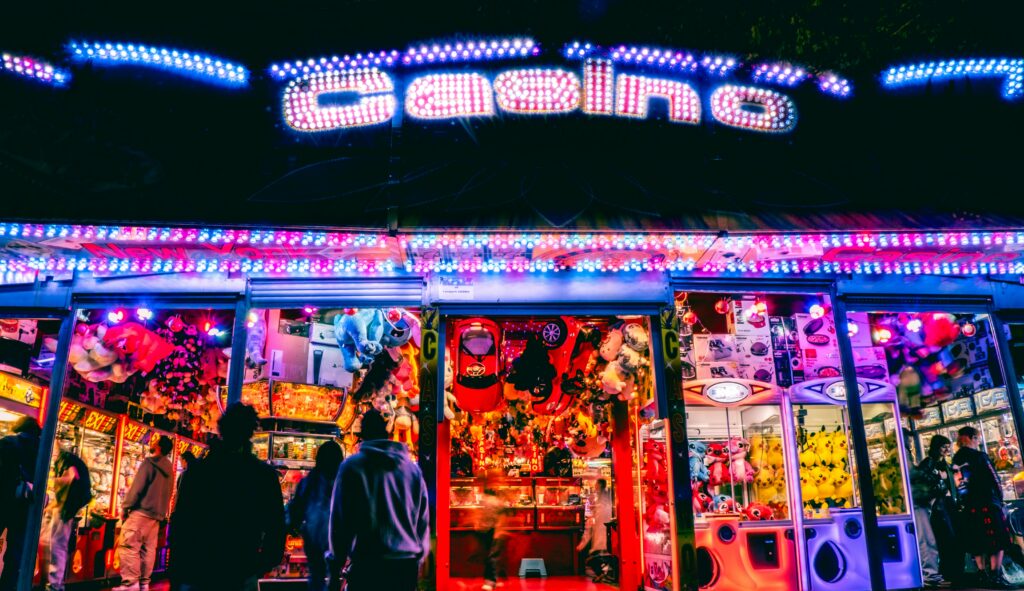
When most people think of casinos, the same classics come to mind: slots, blackjack, roulette, maybe poker. But the casino world is far bigger—and far more creative—than many players realize. Behind the familiar tables and flashing slot machines lies a hidden universe of unique casino games that blend strategy, luck, storytelling, and pure entertainment.
These lesser-known games often surprise players with how engaging they are. Some feel like board games, others resemble game shows, and a few are so visually captivating that you forget you’re even gambling. Best of all, many of these games are designed to be easy to learn, making them perfect for casual players looking for something new.
If you’re tired of the same old casino routine, you’re in for a treat. Here are 10 unique casino games you didn’t know were surprisingly fun—and why they’re worth trying on your next casino visit, online or in person.
Crazy Time is not just a game—it’s a full-blown live casino game show. Hosted by energetic presenters, the game features a giant spinning wheel and multiple bonus rounds inspired by TV game shows.
It feels more like being on a game show than playing a casino game, which makes it incredibly entertaining.
Originating in China over 2,000 years ago, Sic Bo is a dice-based game that offers dozens of betting options. Players wager on outcomes of three dice, ranging from simple totals to specific combinations.
It’s easy to learn but offers enough depth to keep things exciting.
Yes, that Monopoly. This live casino game brings the iconic board game to life with a real host, wheel spins, and immersive bonus rounds.
It’s perfect for players who love nostalgia with a modern casino twist.
Red Dog Poker is a fast-paced card game where players bet on whether a third card falls between two others. That’s it—no complicated rules.
It’s proof that simplicity can still be thrilling.
Unlike Pai Gow Poker, Pai Gow Tiles uses Chinese domino tiles and focuses more on logic and arrangement than luck.
It’s ideal for players who enjoy thinking through each move rather than rushing decisions.
This traditional Indian game revolves around guessing whether a matching card appears on the “Andar” or “Bahar” side. That’s the entire premise—but the tension is real.
It’s a perfect example of how minimalism can create maximum entertainment.
Dream Catcher is another wheel-based game with bright colors, a cheerful host, and straightforward betting options.
This is a great game for relaxing casino sessions without heavy strategy.
Fan Tan is an ancient Chinese game where players bet on how many objects remain after counting them out in groups of four.
It feels like stepping back in time while still enjoying modern casino entertainment.
Based on the classic card game “War,” this casino version adds side bets, bonuses, and more excitement.
No strategy required—just flip cards and feel the suspense.
Inspired by the famous TV game show, Plinko has become a popular online casino game. Drop a ball, watch it bounce, and see where it lands.
It’s oddly relaxing and exciting at the same time.
Players today want more than repetitive spins and basic tables. They want experiences. Unique casino games deliver that by blending:
Online casinos, in particular, are investing heavily in creative game formats to stand out in a competitive market. As a result, players now have more variety than ever before.
If you’re exploring unfamiliar games, keep these tips in mind:
Trying unique games can make casino sessions more enjoyable—even if you’re not chasing big payouts.
Casinos are no longer just about slots, blackjack, and roulette. Today’s gaming world is packed with creative, interactive, and surprisingly fun games that many players overlook. From ancient dice games to live-hosted game shows, these unique casino experiences prove that gambling can be about entertainment just as much as winning.
If you’ve been feeling bored with traditional casino games, now’s the perfect time to step outside your comfort zone. You might just find your new favorite game hiding in plain sight.
Introduction The gambling world is undergoing its biggest evolution since the rise of online casinos. What started with simple digital slot machines has now exploded into AI-driven, VR-powered casino universes—complete with realistic environments, intelligent dealers, and lifelike social interactions. As technology continues to blur the …