The Future of Business: How AI and Automation Are Reshaping the Modern Workplace
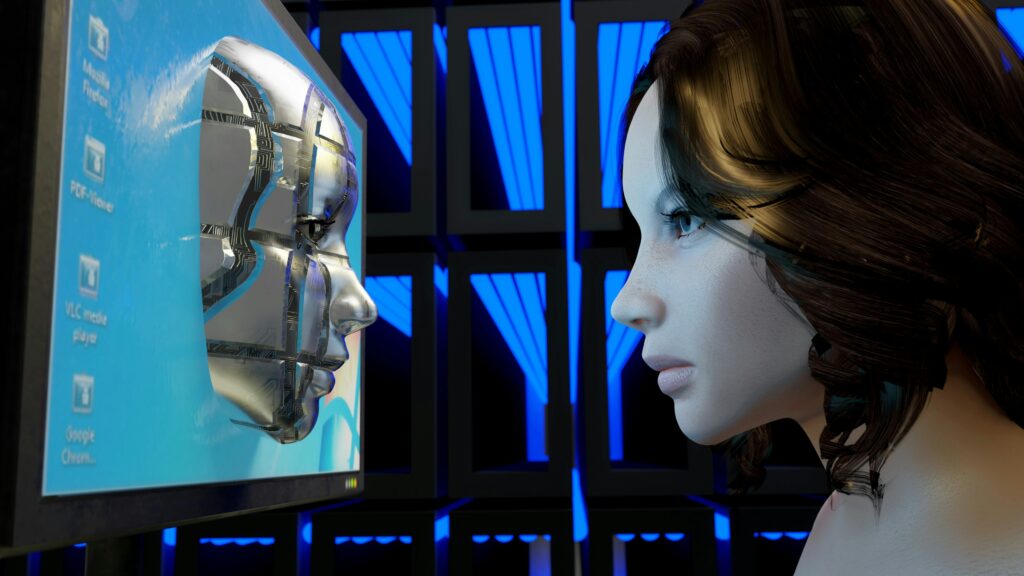
Introduction
Artificial Intelligence (AI) and automation are no longer futuristic concepts—they’re the new normal. From small startups to global corporations, businesses in 2025 are leveraging advanced technologies to streamline operations, boost efficiency, and unlock new opportunities. What was once the stuff of science fiction has now become an essential part of daily work life.
AI is writing reports, analyzing data, hiring employees, and even predicting customer needs before they arise. Automation, meanwhile, is handling repetitive tasks with precision, allowing humans to focus on creativity and strategy. The result? A workplace that’s faster, smarter, and more adaptive than ever before.
But with this transformation comes new challenges: how do businesses balance technology with the human touch? How do workers prepare for jobs that don’t yet exist? In this article, we’ll explore how AI and automation are reshaping the modern workplace, the benefits they bring, and what the future holds for businesses and employees alike.
Key Takeaways
- AI and automation are revolutionizing how businesses operate, from logistics to marketing.
- Efficiency and productivity have increased as machines handle repetitive and data-heavy tasks.
- Human creativity and emotional intelligence are becoming more valuable than ever.
- Workplace roles are evolving, demanding new digital skills and adaptability.
- The future of business lies in collaboration between humans and intelligent machines.
The Rise of AI in the Workplace
AI has quickly become the backbone of modern business operations. In 2025, nearly every industry—from finance to healthcare—uses AI in some capacity. Companies use intelligent systems to analyze massive amounts of data, automate decision-making, and predict trends that shape business strategy.
For example, AI-driven analytics can process millions of data points in seconds, identifying patterns that would take humans weeks to discover. This allows companies to make faster, smarter decisions in areas like marketing, customer service, and logistics.
AI chatbots handle customer queries 24/7, predictive algorithms forecast supply chain disruptions, and generative AI tools help marketing teams produce content in minutes. This isn’t just innovation—it’s evolution.
Real-World Examples of AI in Business
- Retail: AI personalizes online shopping experiences by recommending products based on user behavior.
- Finance: Algorithms detect fraud in real-time and manage high-speed trading operations.
- Healthcare: AI assists doctors in diagnosing diseases faster and more accurately.
- Manufacturing: Smart robotics optimize production lines with minimal human oversight.
The integration of AI into business processes has shifted how companies think about efficiency and value creation.
Automation: Redefining Productivity
Automation goes hand in hand with AI. While AI handles decision-making and analysis, automation handles execution. From robotic process automation (RPA) in back-office operations to self-checkout kiosks in retail, automation eliminates repetitive tasks, allowing employees to focus on higher-value work.
Benefits of Automation
- Speed: Tasks that once took hours can now be done in minutes.
- Accuracy: Machines reduce human error, improving consistency.
- Cost efficiency: Automation reduces labor costs and increases profit margins.
- Scalability: Businesses can handle higher workloads without hiring additional staff.
Take manufacturing, for instance. Automated systems now oversee production, quality control, and maintenance, improving uptime and reducing waste. In offices, AI-powered software automates payroll, scheduling, and document management, creating smoother workflows.
However, automation isn’t just about replacing human labor—it’s about augmenting it. When used strategically, it empowers employees to focus on creativity, leadership, and problem-solving rather than routine work.
The Changing Role of Human Workers
With AI and automation handling repetitive tasks, human roles are evolving. The jobs of the future are less about manual labor and more about critical thinking, collaboration, and creativity.
Skills in Demand in the AI Era
- Digital literacy: Understanding how to work alongside AI tools and data systems.
- Creativity: Developing ideas and solutions that machines can’t replicate.
- Emotional intelligence: Managing people, building relationships, and resolving conflicts.
- Adaptability: Learning new technologies and adjusting to evolving roles.
- Ethical decision-making: Ensuring AI use aligns with human values and fairness.
The workplace of 2025 emphasizes human-machine collaboration, where technology handles analysis and repetition, and people focus on empathy, innovation, and decision-making.
AI and Employee Experience
AI isn’t just transforming business operations—it’s also improving the employee experience. Smart systems help create personalized career development plans, track performance, and even predict burnout.
For example:
- AI-driven HR platforms can analyze employee satisfaction surveys and suggest retention strategies.
- Chatbots can guide new hires through onboarding, making HR more efficient.
- Productivity tools use machine learning to recommend breaks or optimize schedules.
These innovations make workplaces not only more efficient but also more humane. When AI handles administrative burdens, employees gain time for meaningful work and personal growth.
Ethical and Social Considerations
As AI and automation reshape work, they also raise important questions. Who’s responsible when AI makes a mistake? How do we ensure fairness in automated hiring or lending decisions?
Ethical AI practices are now a top priority for businesses. Transparency, data privacy, and bias prevention have become central to corporate responsibility. Companies are hiring AI ethicists and compliance officers to monitor how technology impacts workers and consumers.
Additionally, there’s growing concern about job displacement. While AI creates new roles in data science, robotics, and AI maintenance, some traditional jobs may fade. Governments and companies are addressing this through retraining programs and digital upskilling initiatives.
The key isn’t resisting automation—it’s preparing the workforce for it.
The Business Benefits of Embracing AI and Automation
Businesses that adopt AI and automation see significant competitive advantages:
- Increased efficiency: Automated systems streamline operations, reducing costs.
- Better decision-making: Data-driven insights guide smarter strategies.
- Enhanced customer experience: Personalized services increase loyalty and sales.
- Innovation acceleration: AI frees teams to experiment and innovate.
- Sustainability: Smart energy and logistics systems reduce waste and emissions.
Companies that resist change risk falling behind. The most successful businesses in 2025 are those that combine technological innovation with human insight—balancing speed and empathy, automation and authenticity.
The Future of Work: Collaboration, Not Competition
The idea that AI will “replace humans” is giving way to a more realistic vision—AI and humans working together. Machines excel at processing data, but they lack emotional depth and moral reasoning. Humans bring creativity, context, and conscience to the table.
The future workplace will be a hybrid ecosystem where intelligent systems support decision-making, creativity, and human connection. Whether it’s using AI to design smarter cities, automate logistics, or personalize healthcare, collaboration will define the next era of business.
Conclusion
The future of business is already here—and it’s powered by AI and automation. These technologies are reshaping how we work, create, and connect, offering endless potential for growth and innovation.
While automation handles the “how,” AI understands the “why”—together, they’re transforming industries and redefining what productivity means. For workers and businesses alike, the key to thriving in this new era lies in adaptation: learning new skills, embracing technology, and staying human in a digital world.
AI isn’t the end of human work—it’s the evolution of it. The future belongs to those who harness both intelligence and empathy to build a smarter, more connected workplace.
FAQs
Will AI replace human jobs completely?
No. While AI will automate certain tasks, it will also create new roles that require human creativity, management, and emotional intelligence.
What industries are most affected by AI and automation?
Manufacturing, finance, healthcare, logistics, and customer service are seeing the biggest transformations.
How can businesses prepare for AI integration?
By investing in digital training, ethical AI practices, and collaboration tools that enhance human-machine synergy.
Is AI safe for the workplace?
Yes, when implemented responsibly. Clear ethical guidelines and data protection policies ensure fairness and transparency.
What skills should I learn for the AI-driven future?
Focus on data literacy, creativity, problem-solving, and emotional intelligence—skills that complement technology rather than compete with it.